Request Quote

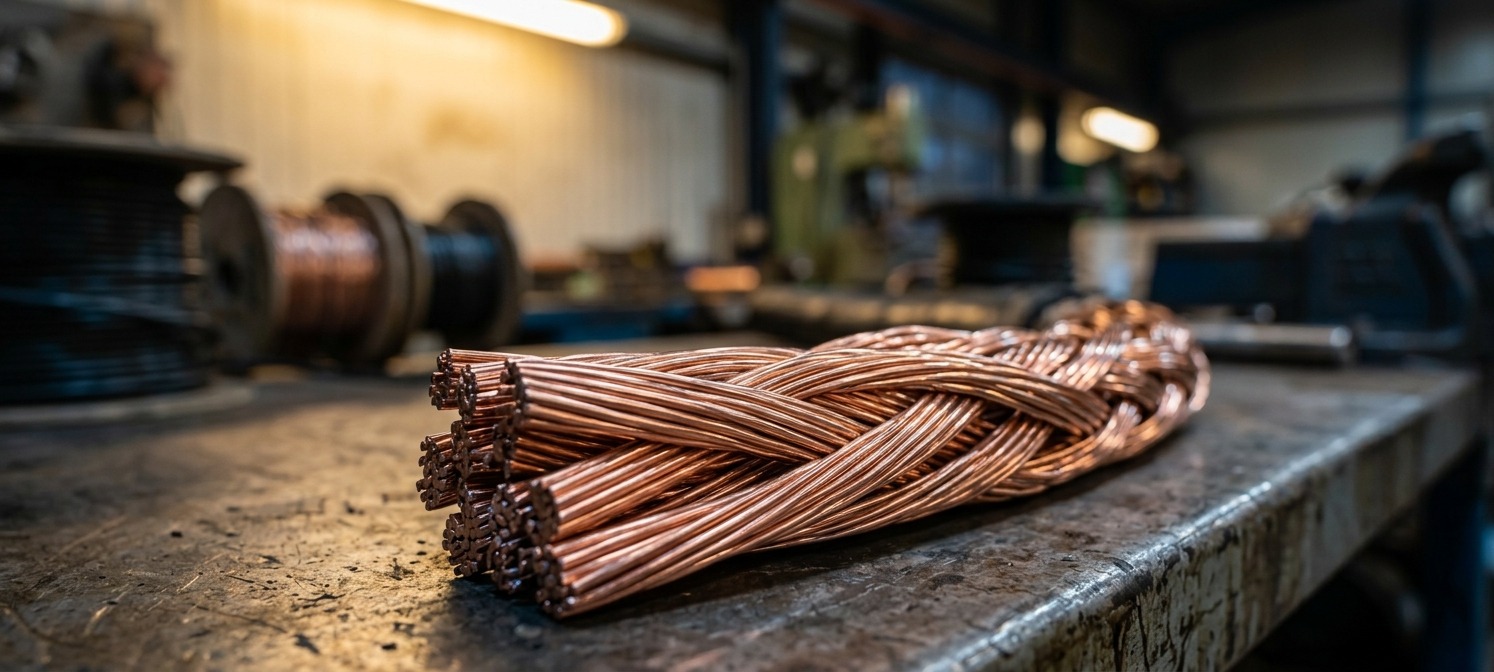
Silver is the best conductor of electricity of any metal, based on its electrical conductivity per unit area. However, silver’s high cost, low heat resistance, and tendency to tarnish limit its use in most industrial applications. Copper, gold, and aluminum are the conductors most commonly used in cable, connector, and power distribution systems, each offering a different balance of conductivity, cost, and durability.
On This Page
Metals conduct electricity because their outer electrons move freely between atoms, allowing current to flow with relatively little resistance. How freely those electrons move, and how much resistance a metal offers, is what separates a highly conductive metal like silver from a poor conductor like stainless steel.
Conductivity is typically measured relative to copper using the International Annealed Copper Standard (IACS), where copper is set at 100%. Here’s how common conductive metals compare:
| Metal | Conductivity (% IACS, relative to copper) | Common Use | Key Trade-off |
|---|---|---|---|
| Silver | ~105% | Specialized, high-performance contacts | High cost, low heat resistance, tarnishes |
| Copper | 100% (reference) | Cable, wire, and connector conductors | Strong balance of cost and conductivity |
| Gold | ~70% | Connector plating, microelectronics | High cost, but excellent corrosion resistance |
| Aluminum | ~61% | Power transmission, weight-sensitive applications | Lower conductivity by volume, lighter by weight |
| Stainless Steel | ~3% | Structural components, not primary conduction | Poor conductor; used for strength, not current flow |
Conductivity figures are standard reference values based on the International Annealed Copper Standard (IACS) and commonly cited industry sources; actual conductivity can vary slightly by alloy, purity, and temperature.
Silver has the highest electrical conductivity of any metal. Despite that, it’s rarely used in industrial electrical applications because of its cost, its tendency to tarnish, and its relatively low heat tolerance compared to other conductive metals. Where it is used, it’s typically in specialized, high-performance contacts where the conductivity gain justifies the cost.
Gold is a strong conductor of electricity, though less conductive than silver or copper. It’s commonly used in connector plating and microelectronics, where its high resistance to corrosion and oxidation matters more than raw conductivity, particularly in applications where only a thin layer of material is needed.
Copper is the most widely used conductor in cable, wire, and connector construction, and for many applications it’s the best electrical conductor when cost, availability, and workability are weighed alongside raw conductivity. It offers a strong combination of high conductivity, availability, and cost-effectiveness, and its malleability makes it practical to form, wrap, and solder in manufacturing.
Aluminum conducts electricity, at roughly 61% the conductivity of copper by volume. By weight, however, aluminum is more conductive than copper, which makes it a practical choice in power transmission and other weight-sensitive applications where reducing overall mass matters as much as conductivity.
Conductivity is one input into material selection, not the only one. Cost, durability, corrosion resistance, and the specific demands of an application all factor into which conductor makes sense for a given use case. Aluminum’s weight advantage often outweighs its lower per-volume conductivity in aerospace or vehicle applications. Gold’s corrosion resistance can matter more than its conductivity ranking in connector contacts that need a reliable, long-term connection. Copper’s balance of cost, conductivity, and workability is why it remains the default choice across most cable and connector construction.
Gateway Cable Company’s engineering team weighs these same trade-offs when specifying conductor materials for cable assemblies and connectors built for industrial and military applications.
Have a question about which conductor material or cable assembly is right for your application? Gateway Cable Company’s team can help you find the right fit. Contact our team or browse our products to find the right part.
Silver is the best conductor of electricity of any metal, though its cost and low heat resistance limit its use in most industrial applications.
Silver ranks highest, followed by copper, gold, and aluminum. Copper is the most commonly used conductor in industrial applications due to its balance of conductivity, cost, and availability.
Yes, silver has the highest electrical conductivity of any metal. However, its cost, tarnishing, and low heat tolerance make copper, gold, and aluminum more practical choices for most applications.
Among common materials, silver conducts electricity best, followed closely by copper. Non-metal materials, such as most insulators, conduct electricity far less effectively than metals.
